

Products that capture your brand
Promotional products can provide a great return on investment if done effectively.
Understanding your audience first
Studies have proven that promotional products can be a highly effective mode of creating brand awareness.
At SK Promo, the most important factor in choosing the perfect promotional product is working with our clients to better understand demographics, themes and the overall goal in order to supply the most suitable and brand capturing items.
Demographics
Who you’re reaching.
Themes
What your campaign says.
Goals
What success looks like.
The right item
Brand-capturing products.
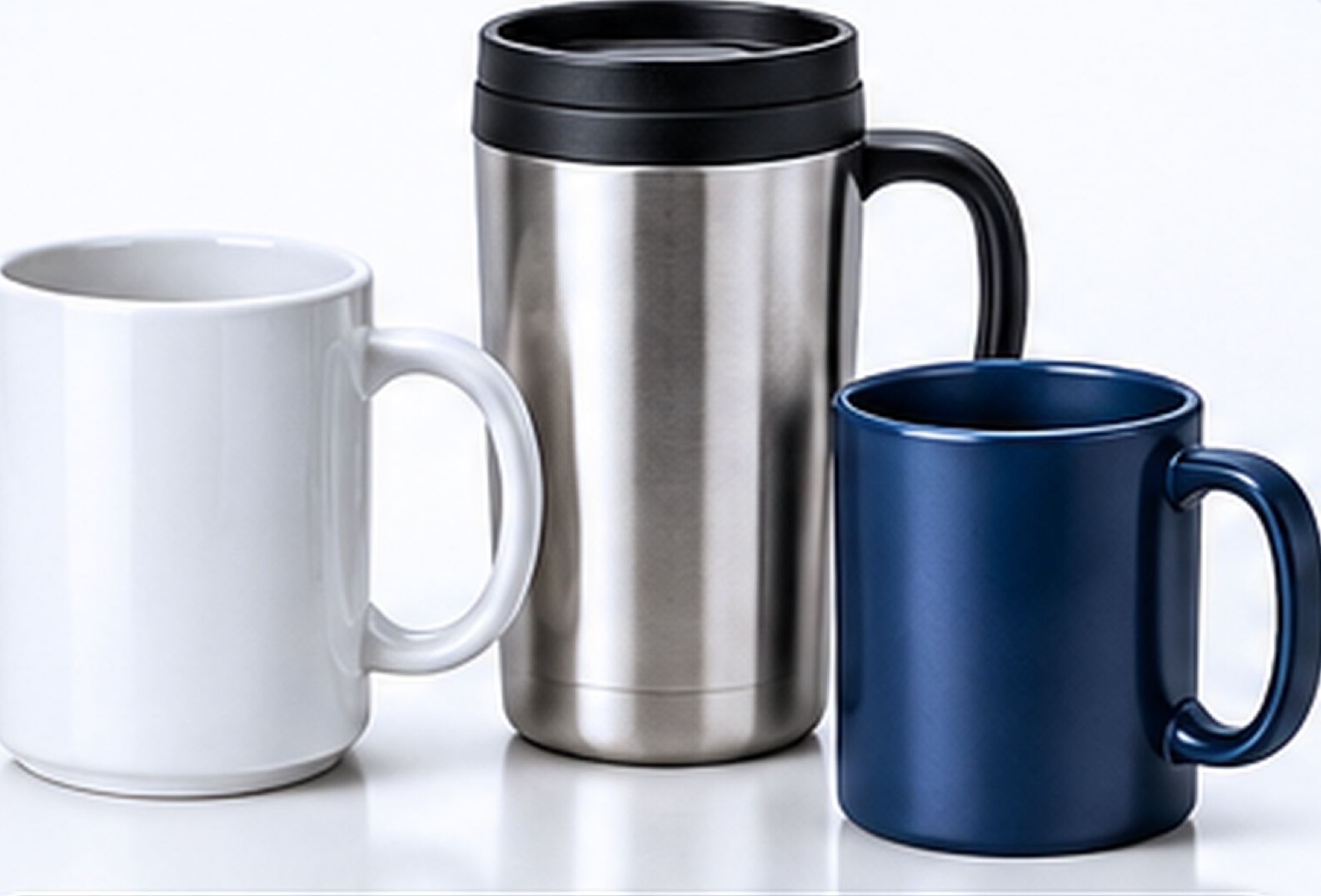
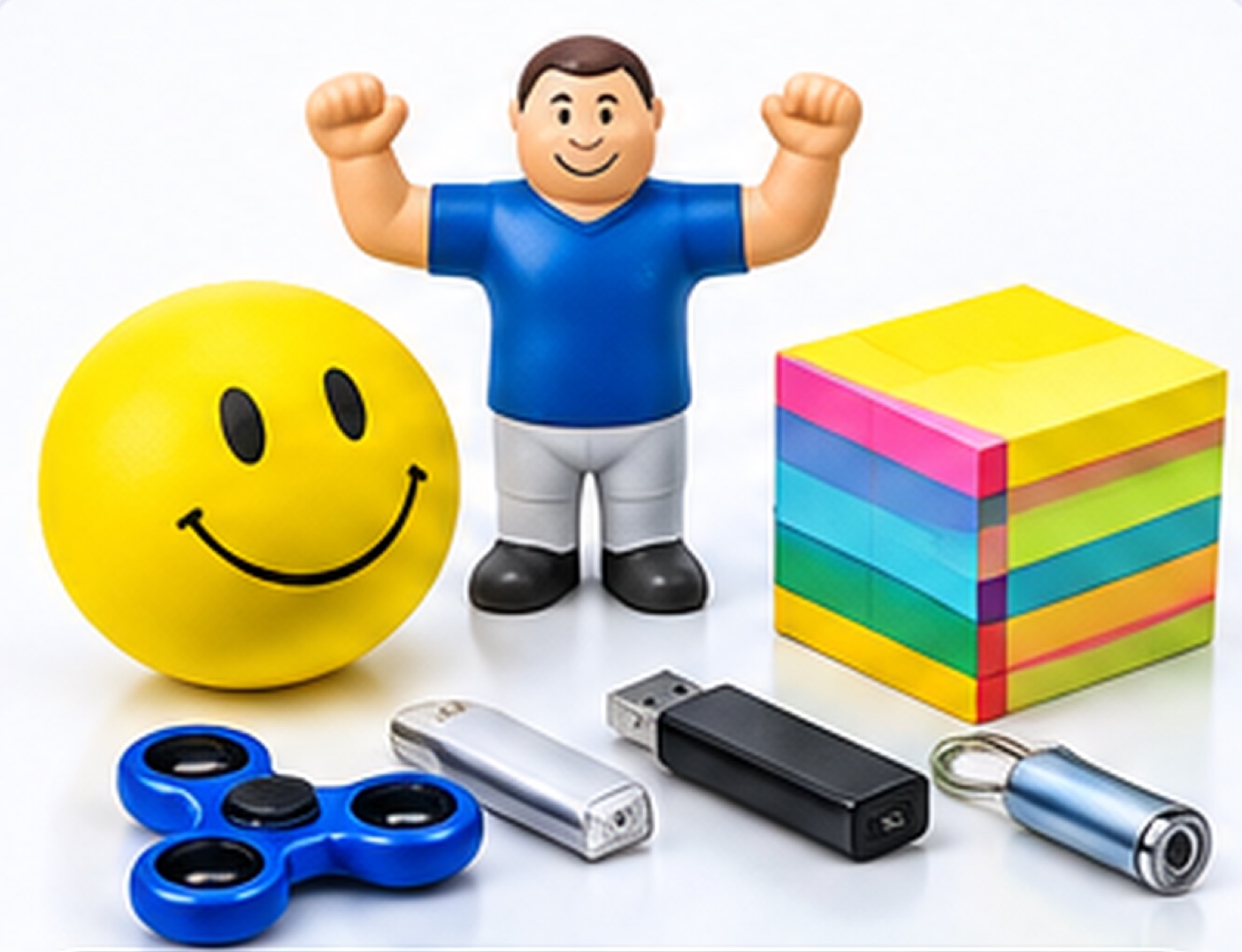
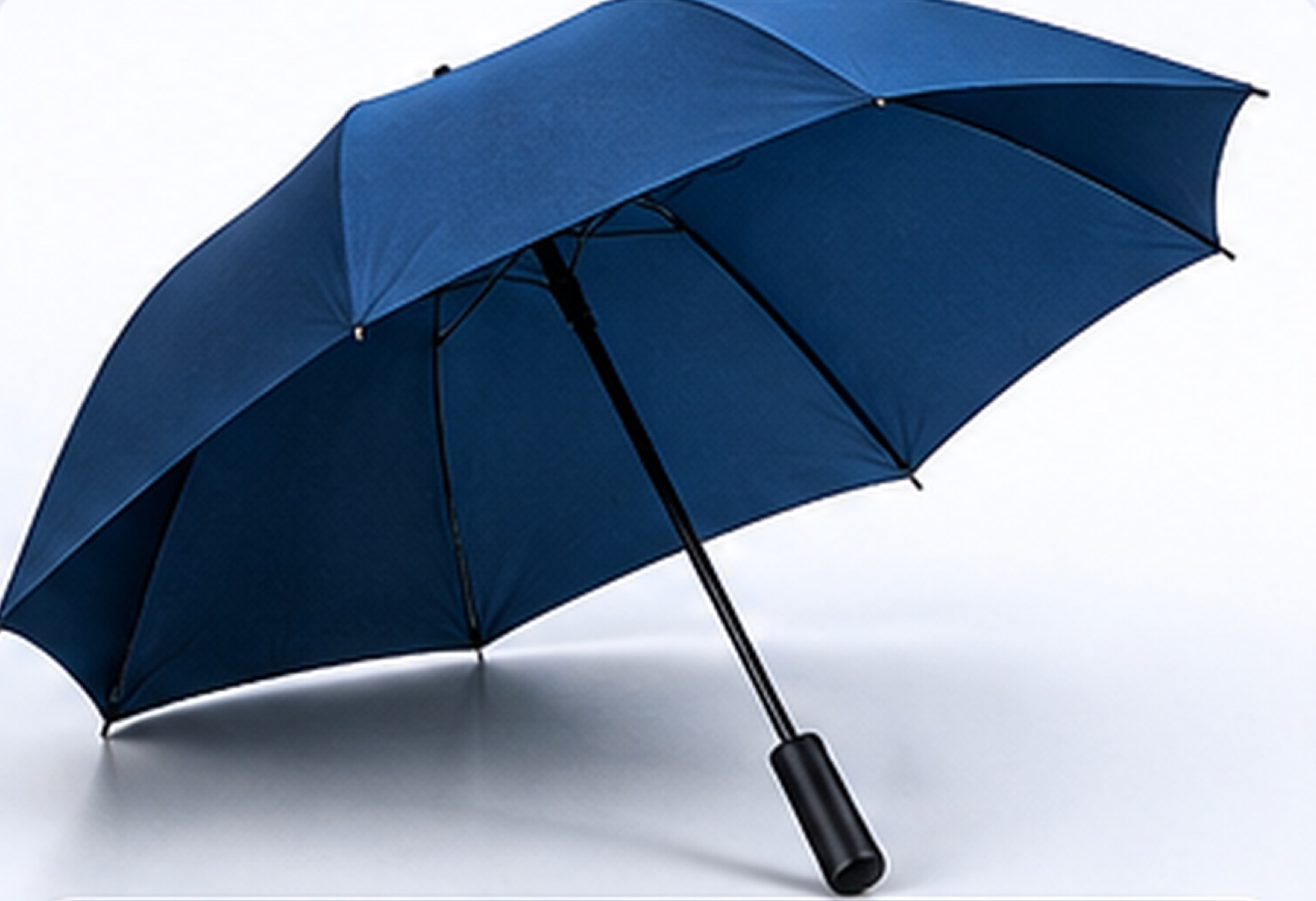
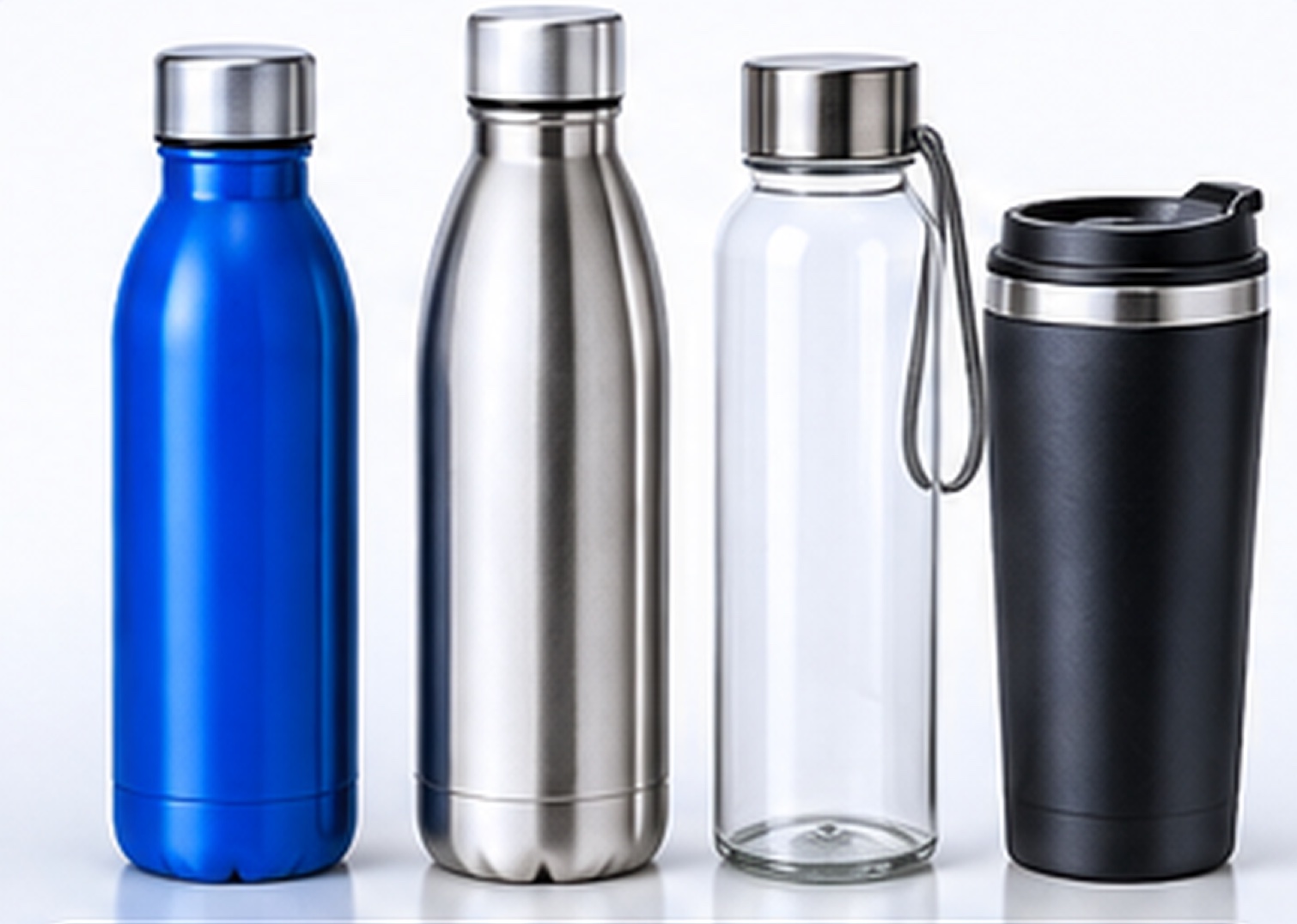
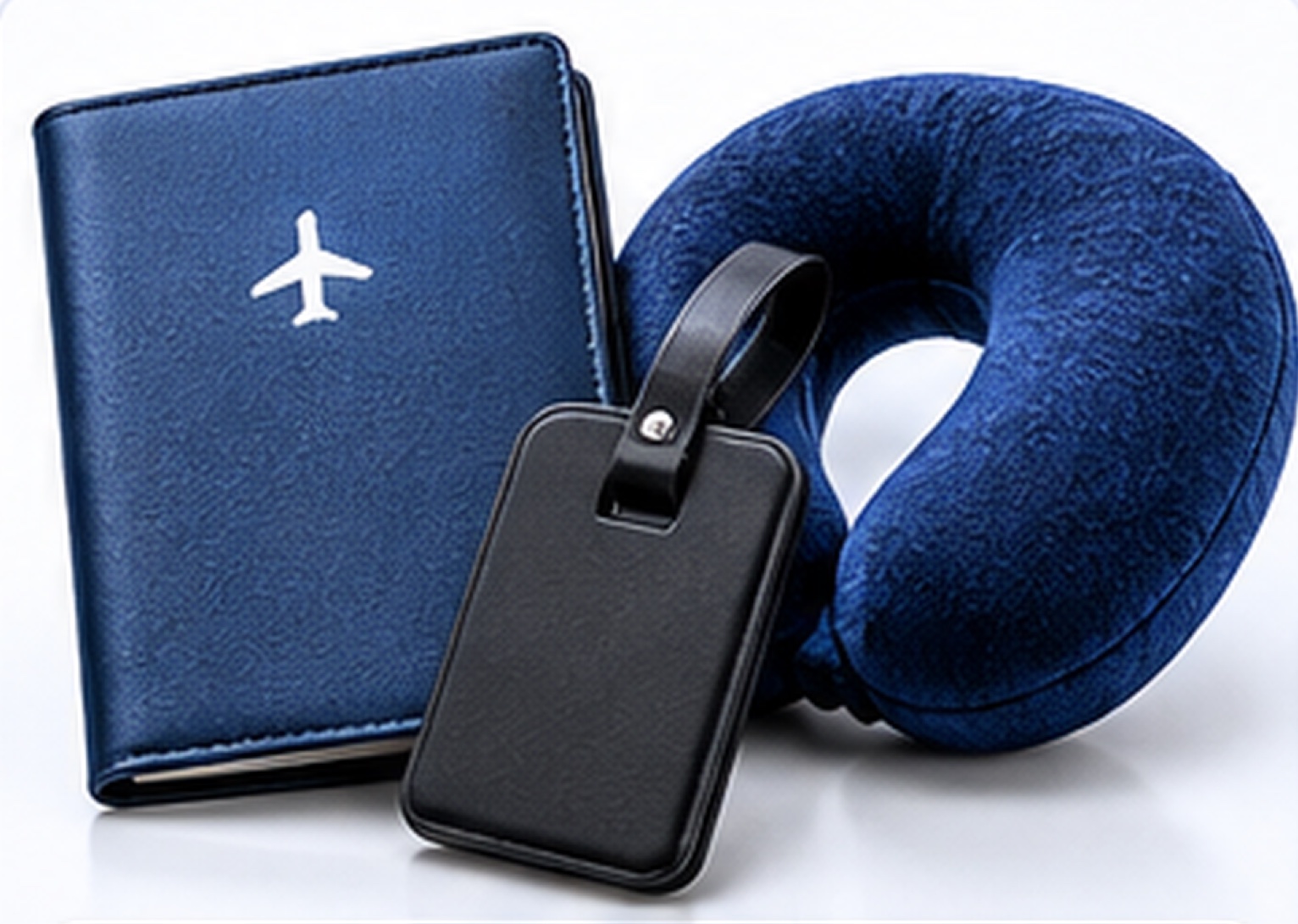
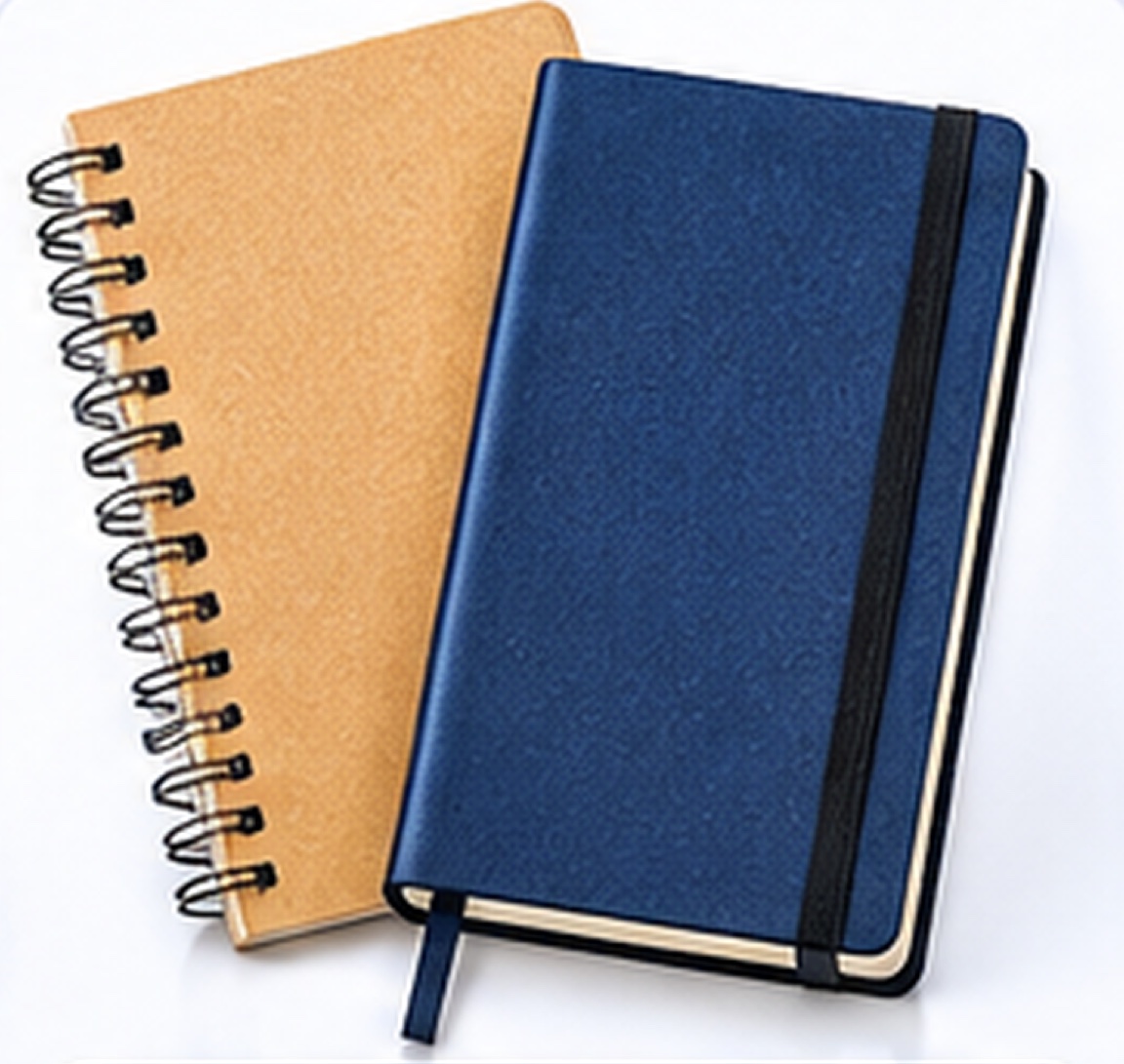
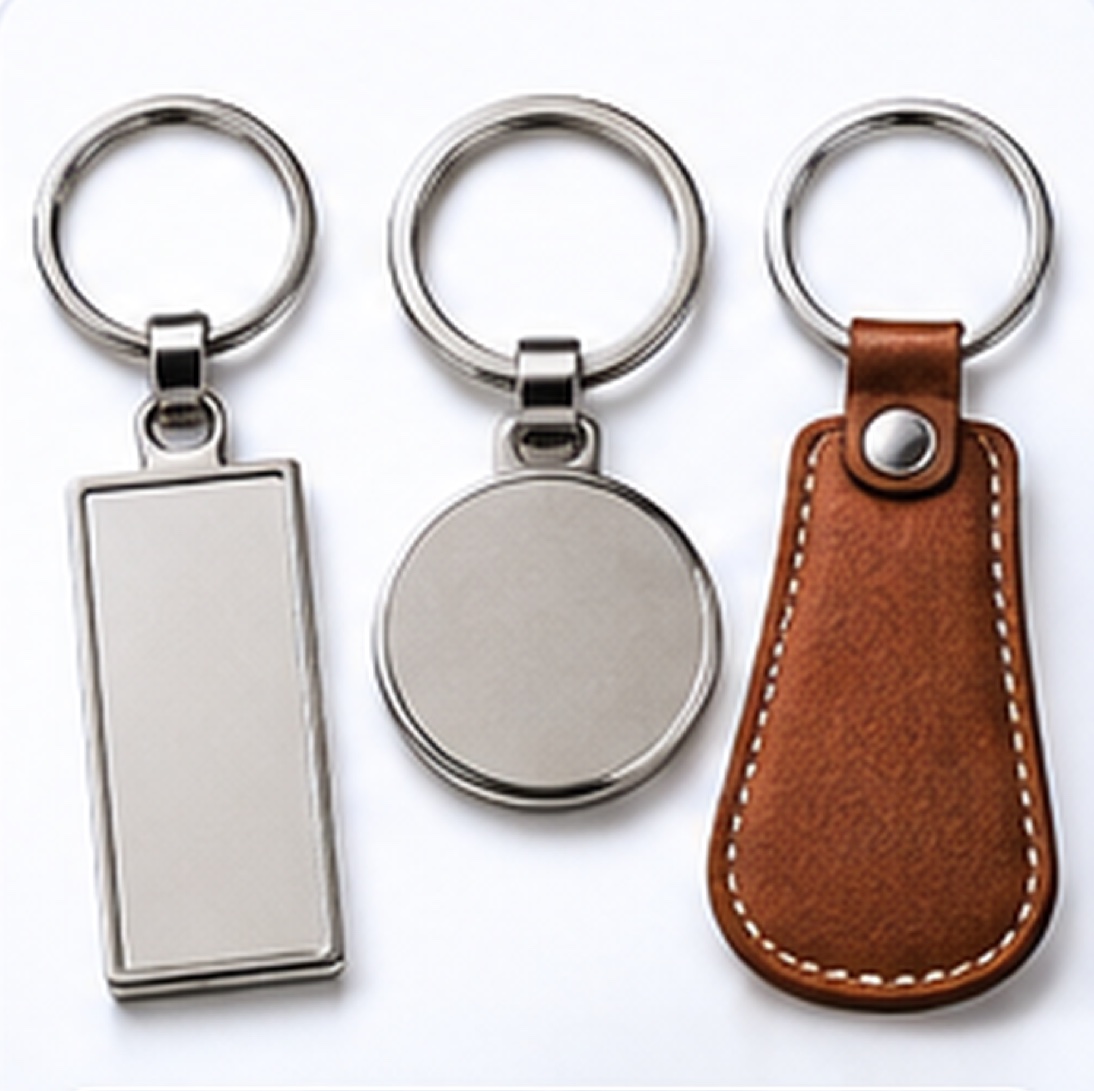
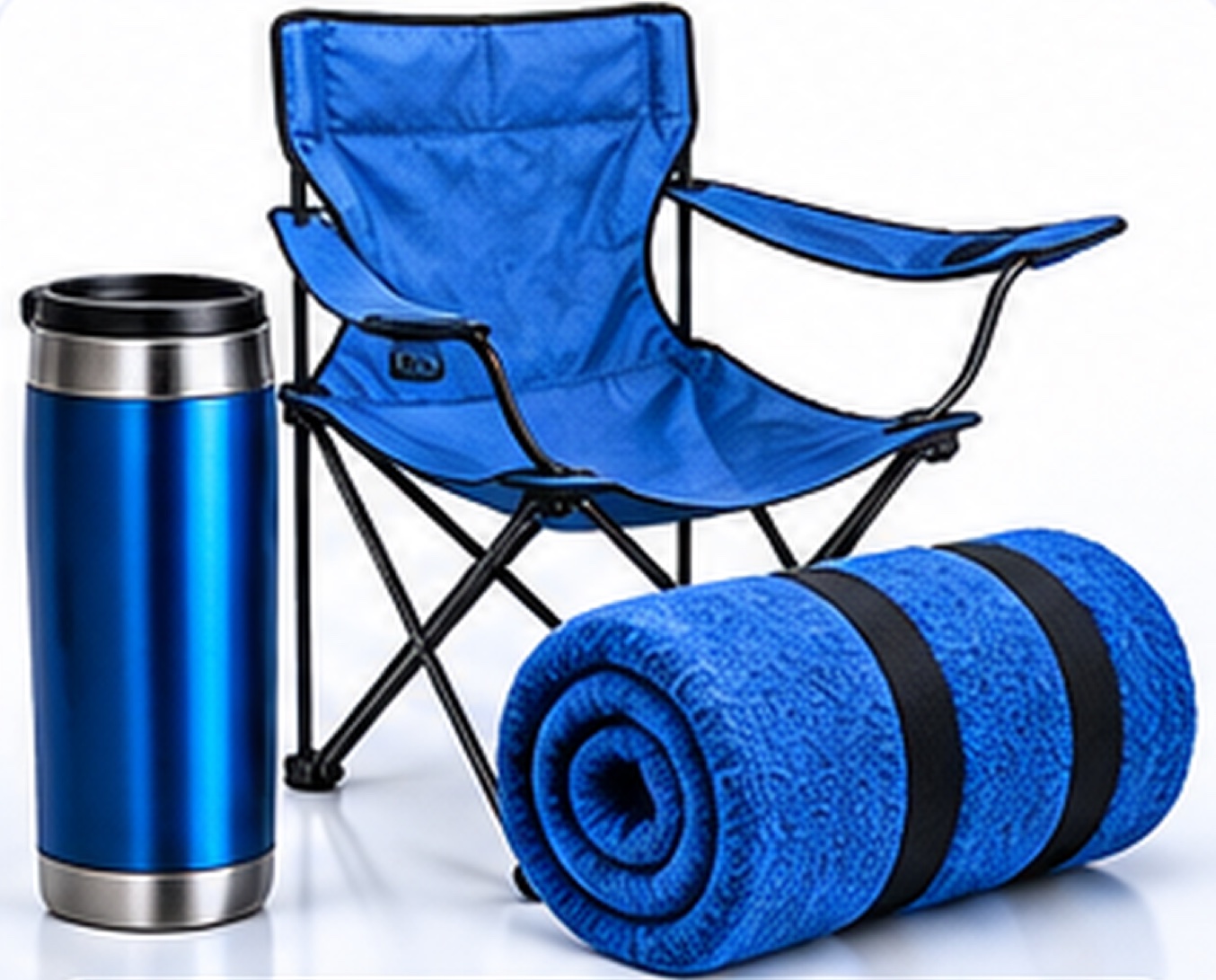
Popular product categories
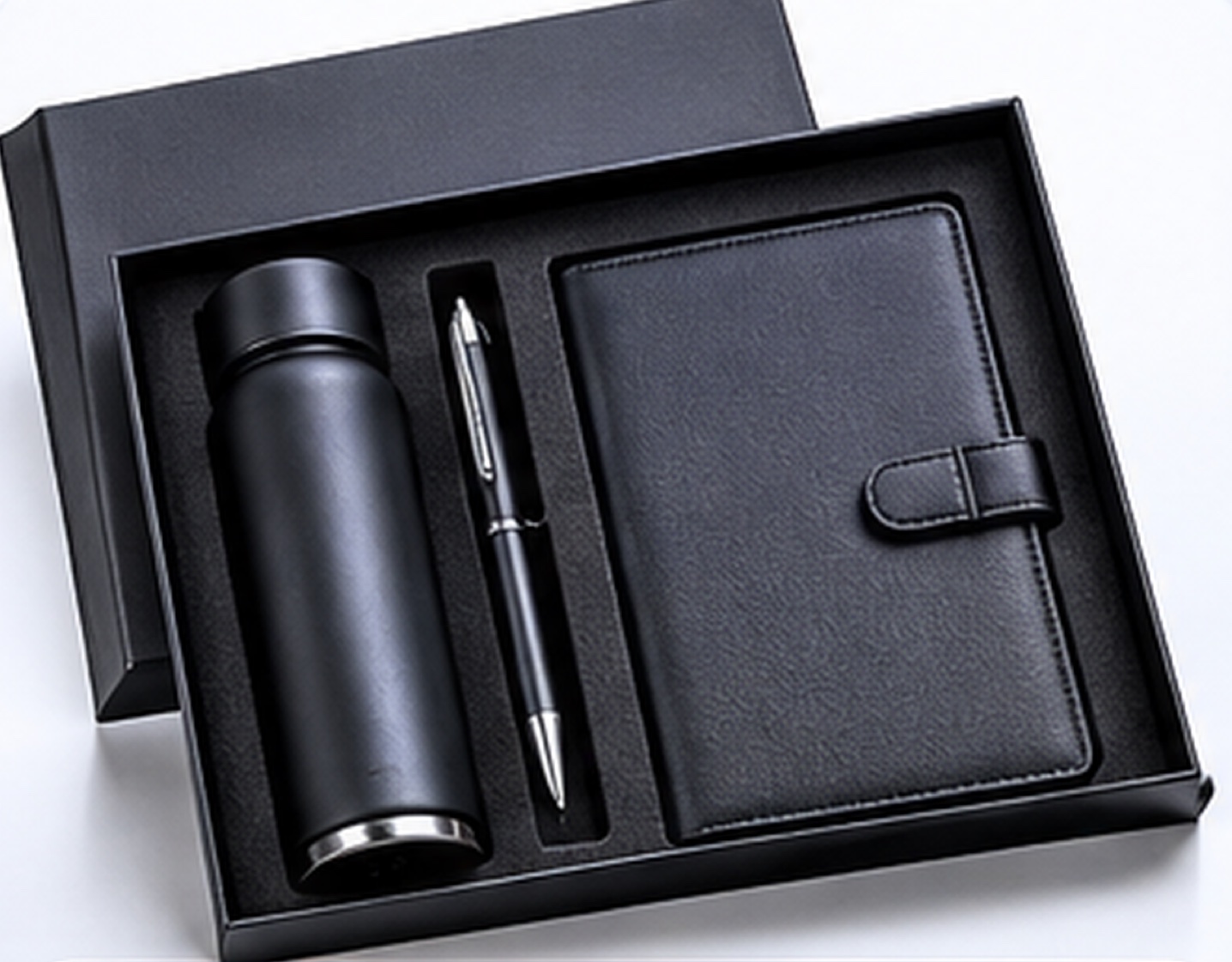
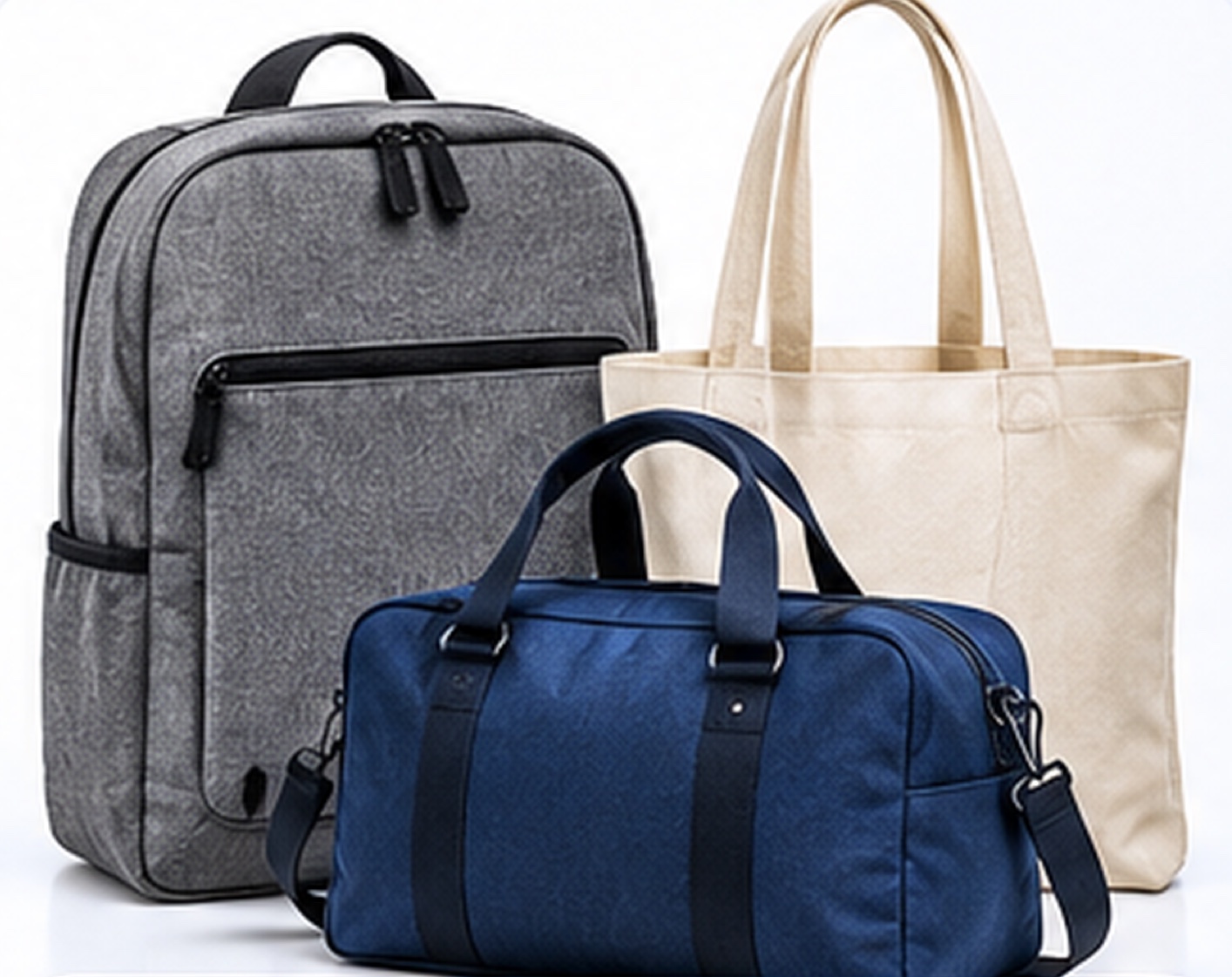
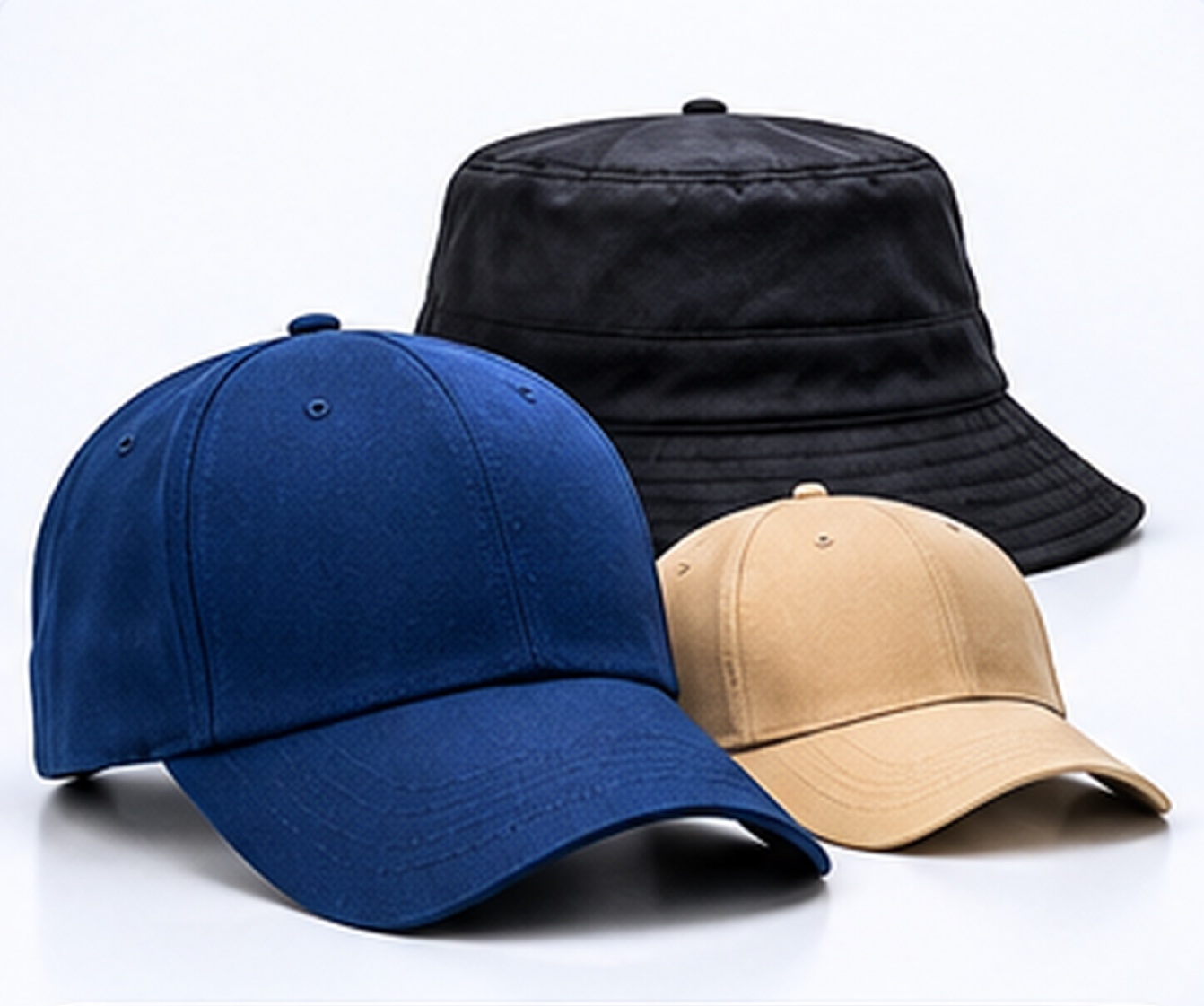
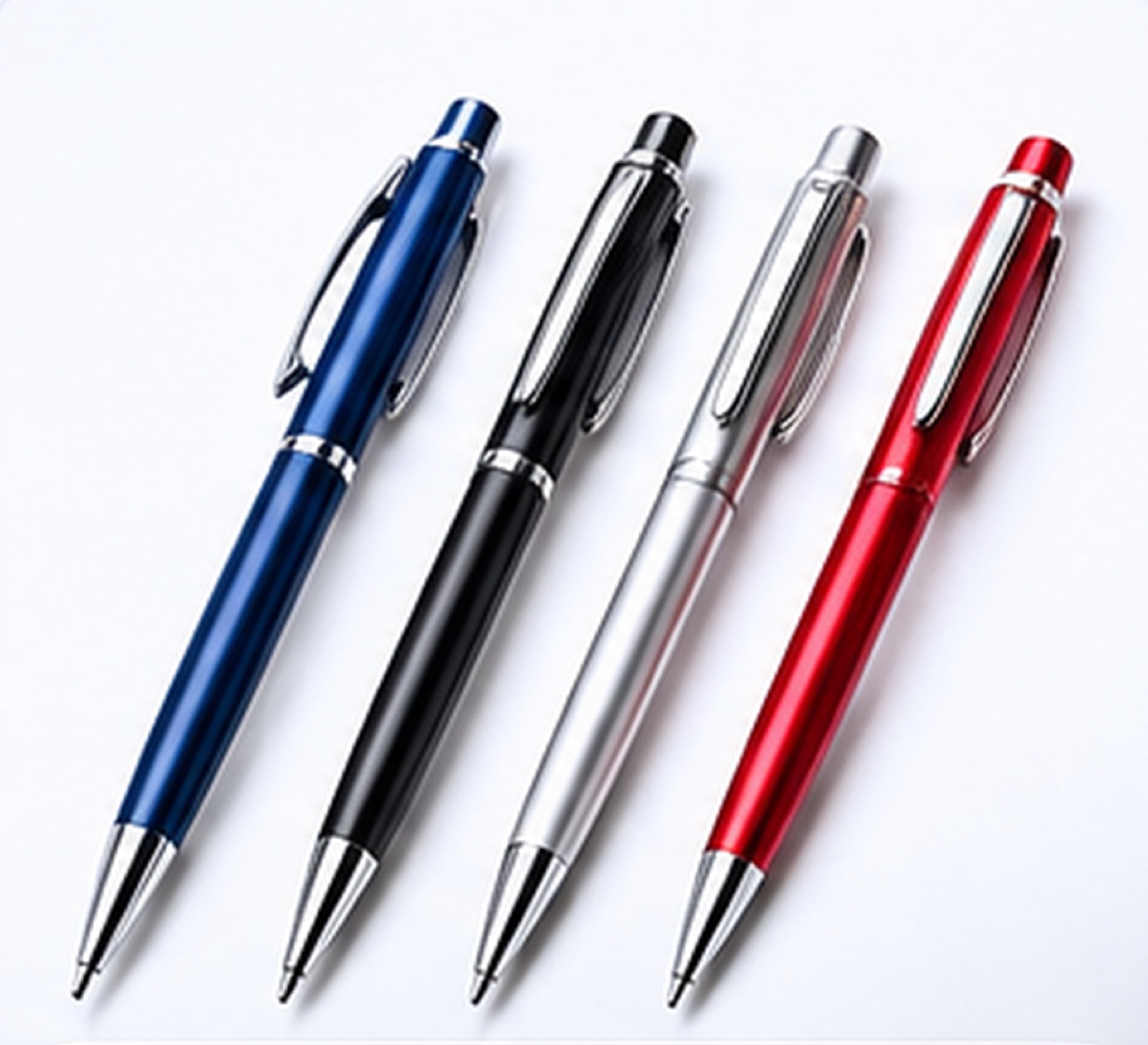


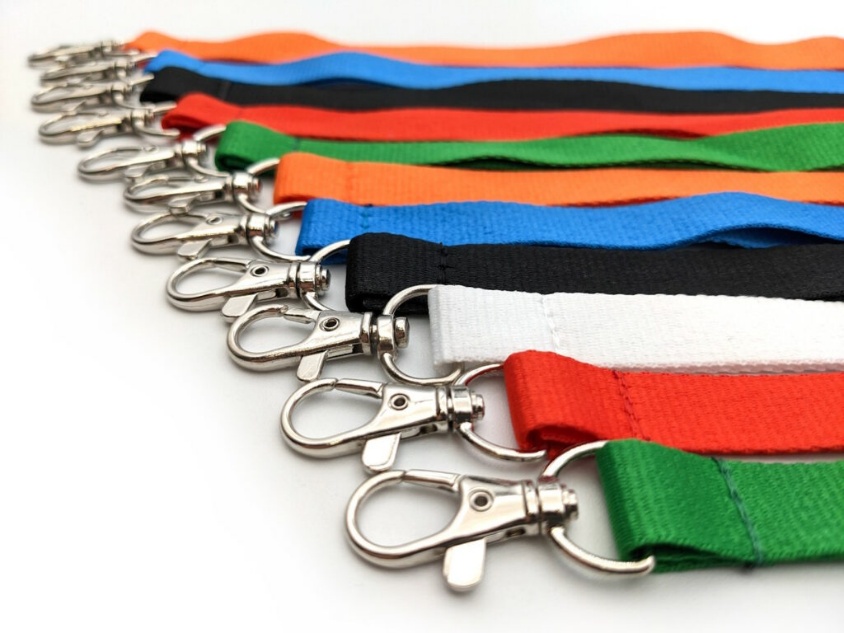
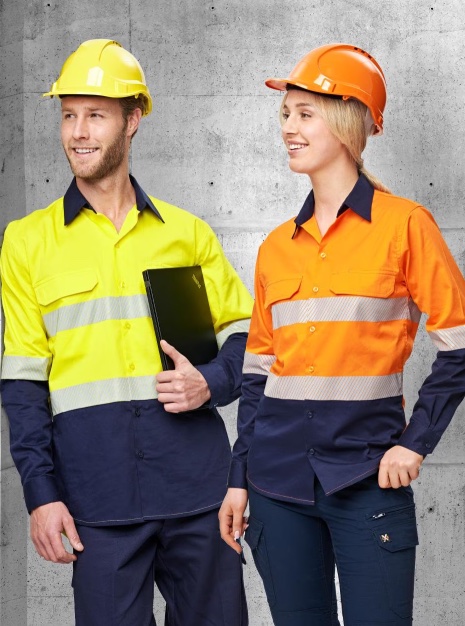
The right branding method for every product
Promotional products can range in size and material, from a 5cm plastic pedometer to a 3m x 3m event gazebo and hence the branding method needs to be considered individually for each application.
Decorating services include:
Pad Printing
Pad printing, also called tampography or tampo printing, is an indirect offset (gravure) printing process where a silicon pad takes a 2-D image from a laser engraved (etched) printing plate (also called cliché) and transfers it to a 3-D object. Thanks to pad printing, it is now possible to print all kinds of difficult shaped products such as curved (convex), hollow (concave), cylindrical, spherical, compound angles, textures, etc. which were not available with traditional printing processes.
Laser Engraving
Laser engraving is a type of subtractive manufacturing process. Unlike printing or coating, it physically removes material from the surface of a workpiece to create a mark. This is accomplished by directing a high-energy laser beam onto the material’s surface, which rapidly heats, vaporizes, or burns away the material in a tightly controlled manner. The result is a clean, precise, and highly durable mark that can include text, barcodes, serial numbers, logos, and even complex graphics.
Laser engraving is distinct from other laser marking techniques such as laser etching and laser annealing. Engraving penetrates deeper into the material, usually leaving a tactile indentation, while etching and annealing are more surface-level and often used for materials that are thinner or require minimal disruption.
A laser engraving machine, often referred to as a laser engraver, combines laser optics, motion systems, and intelligent control software to achieve high-speed, high-resolution markings on a wide range of materials.
Screen Printing
Screen printing, also known as silk screening or silkscreen printing is a technique where ink is transferred onto a substrate through a mesh screen. A stencil blocks certain areas of the screen, allowing ink to pass through and create precise designs. Each color requires a separate screen, making it ideal for producing detailed, multi-colored prints.
Silk screen printing also excels not only on fabric and paper but also on diverse materials such as wood, metal, plastic, and even glass when specialized inks are used.
While the printing process remains consistent, the method of creating the stencil can vary based on the material:
- For simpler designs, masking tape or vinyl is used to cover specific areas of the screen.
- More intricate patterns are achieved by painting a stencil onto the mesh using screen blockers like glue or lacquer.
- A sophisticated method involves using light-sensitive emulsion to create detailed stencils, similar to developing a photograph.
These techniques offer flexibility in achieving precise and vibrant prints across a wide range of surfaces. Serigraphy continues to be valued for its ability to produce high-quality, customized results on various substrates.
Epoxy Dome
Polyurethane (PU) epoxy domes have become a staple in modern commercial manufacturing and branding due to their unique combination of aesthetic enhancement and functional protection. These domes are created by dispensing a clear, high-gloss resin over printed or engraved surfaces, forming a durable, lens-like coating that amplifies visual appeal while shielding the underlying design from environmental and mechanical damage. Their versatility makes them ideal across a wide range of industries—from marketing and electronics to industrial engineering and awards manufacturing.
Debossing / Embossing
The distinction is purely directional. Embossing creates a raised relief — run your finger over it and the design stands proud of the surface. Debossing creates a recessed impression — the design sinks below the surrounding paper. Same tooling concept, opposite direction.
Both use a matched pair of dies: a male die with the raised image and a female die with the corresponding recess. The paper is pressed between them so the fibers permanently take the shape. Because the stock is physically deformed, you can usually see a faint “ghost” of the design on the reverse side — something to account for on double-sided pieces.
Foil Stamp
Foil stamping, also known as hot stamping or foil printing, is a relief printing technique that uses custom metal dies, heat, and pressure to apply foil to surfaces such as paper, plastic, leather, or cardstock. Unlike traditional printing, which relies on ink, foil stamping creates shiny, matte, reflective, textured, or holographic finishes that enhance both the visual and tactile appeal of printed products.
Consider SK Promo for:
For an extensive range of catalogue items, visit our online catalogue.
- Bags
- Fun Giveaways
- Conference Items
- Technology Items
- Desk Accessories
- Tools
- Drinkware
- Writing Instruments
- Executive Gifts
- Lifestyle / Outdoor / Sports
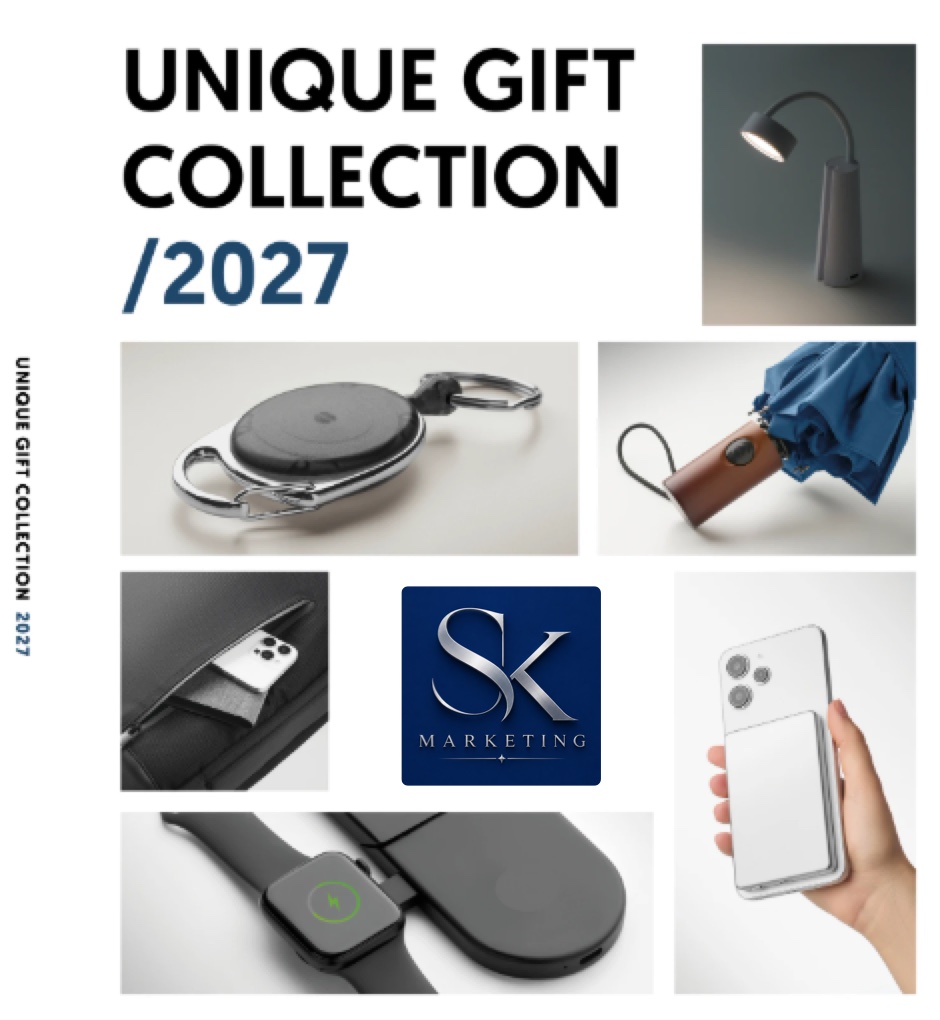
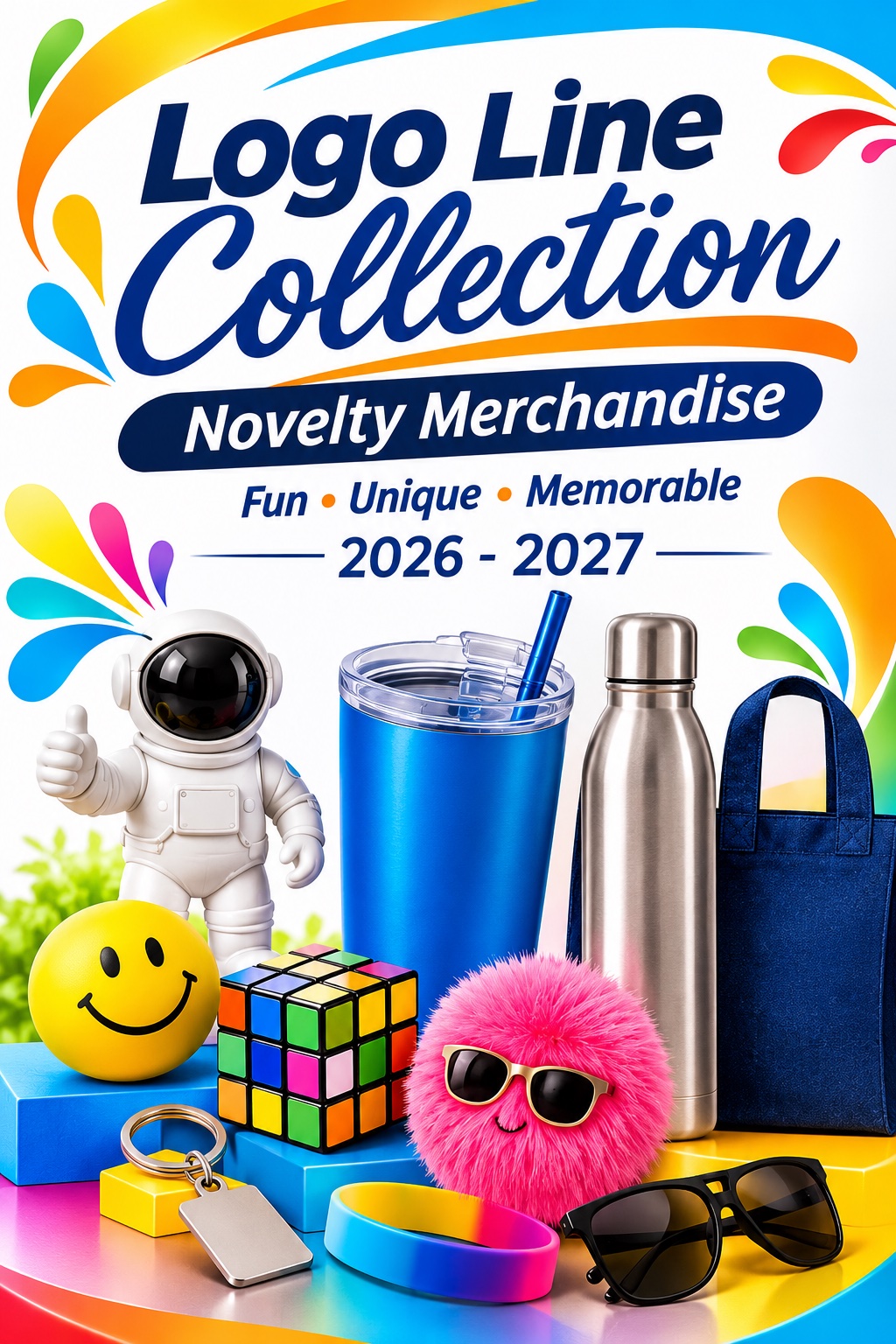

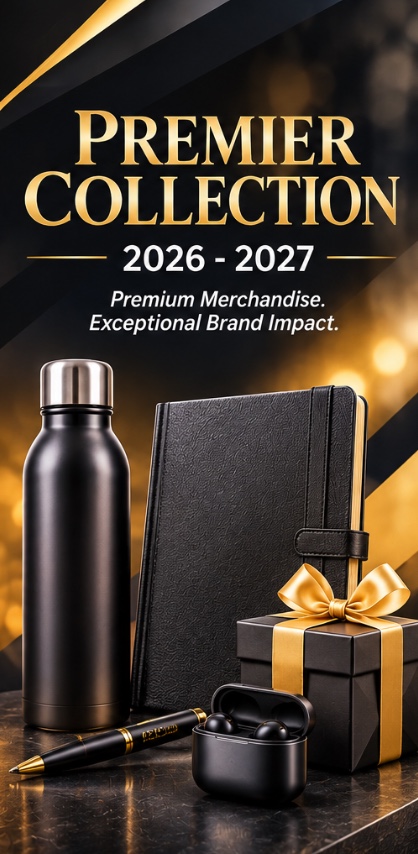

SK Promo has pioneered the ability to custom manufacture and source unique promotional merchandise for our clients to help them stand out from their competitors.
Find the perfect promotional product
Tell us about your audience and goals, and we’ll recommend the most suitable, brand-capturing items.